
Most fish kills happen during hot summer months, but some of the worst losses occur silently under the ice. An unusually cold winter combined with thicker-than-normal ice can create the perfect conditions for a winter fish kill, often catching pond owners by surprise when the ice finally melts.
Understanding why this happens—and how to prevent it—can make the difference between a healthy pond and a heartbreaking spring discovery.
What Causes Fish Kills in Winter?
Winter fish kills (often called winterkill) are primarily caused by low dissolved oxygen levels, not by cold temperatures alone.
Thick Ice and Snow Block Sunlight 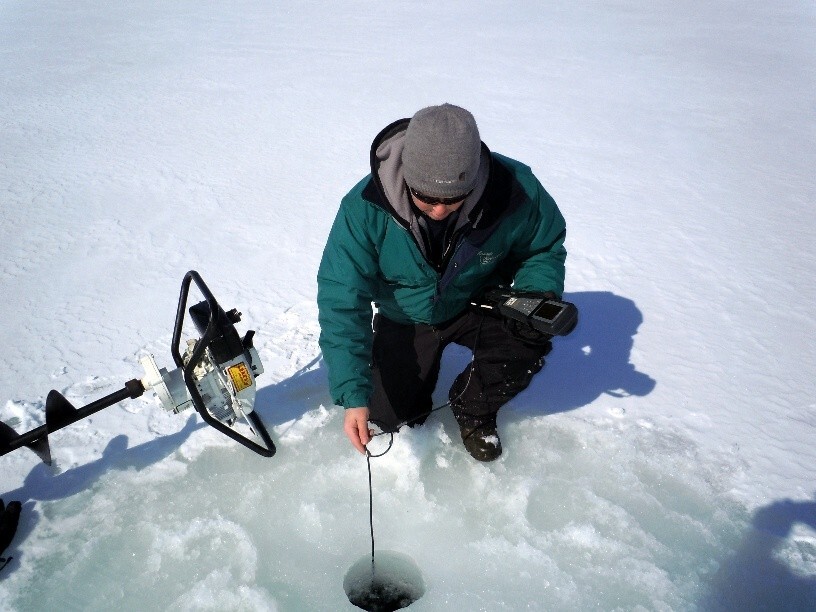
When ice forms early and stays thick all winter, especially with a layer of snow on top, sunlight can’t penetrate the water. This shuts down photosynthesis from aquatic plants and algae—the pond’s main oxygen producers.
No sunlight = no oxygen production.
Oxygen Gets Used Faster Than It’s Replaced
Even in winter, fish, insects, and microorganisms continue to respire, slowly consuming oxygen. At the same time, organic material like dead plants and algae decomposes, which uses up even more oxygen.
With no new oxygen being produced, levels can drop dangerously low.
Shallow Ponds Are Especially Vulnerable
Shallow ponds hold less total oxygen and freeze more thoroughly. They also warm and cool more rapidly, which stresses fish and accelerates oxygen depletion.
Nutrient-Rich Ponds Are Higher Risk
Ponds with heavy plant growth or frequent algae blooms during summer often have more organic matter breaking down in winter—leading to faster oxygen loss under the ice.
What Pond Owners Can Do to Prevent Winter Fish Kills
The good news: winter fish kills are often preventable with the right preparation.
Install a Pond Aeration System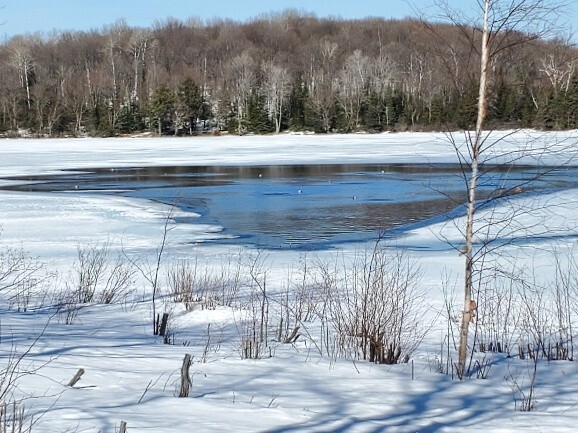
Aeration is the single most effective solution.
- Keeps a portion of the pond ice-free
- Allows oxygen exchange with the atmosphere
- Circulates oxygenated water through the pond
- Make sure the aeration system is functioning properly before ice forms so there are no unexpected issues or downtime when aeration is needed most
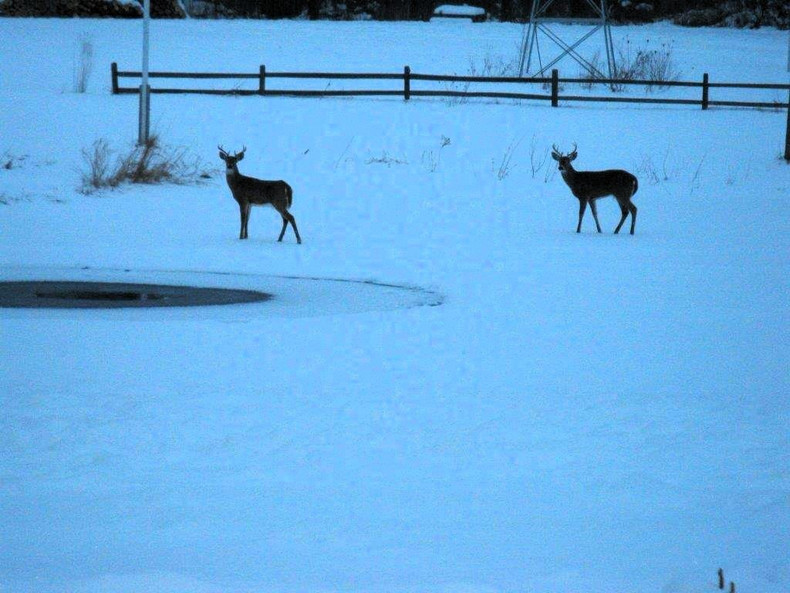
Tip: Use a winter-safe diffuser placed in shallow water (not at the deepest point) to avoid disturbing warmer bottom layers where fish shelter. Make sure there is open water all the way to the shoreline to provide an escape route for animals that may fall into the open hole.
Reduce Organic Buildup Before Winter
In fall:
- Remove excess leaves and dead vegetation
- Limit nutrient runoff (fertilizers, animal waste)
- Control excessive aquatic plant growth during summer
Less organic matter = less oxygen demand in winter.
Maintain Adequate Pond Depth
If you’re designing or renovating a pond:
- Aim for at least 12–15 feet of depth in part of the pond
- Deeper water provides a stable refuge with higher oxygen levels
Stock Fish Appropriately
Avoid overstocking and choose species suited to your climate. Overcrowded ponds consume oxygen faster and are far more likely to experience winterkill.
A Healthy Pond Starts Before Winter
Winter fish kills aren’t just “bad luck”—they’re usually the result of conditions that build up over time. By managing nutrients, maintaining depth, and planning for aeration, pond owners can protect their fish through even the coldest, longest winters.
A little preparation in fall can save years of fish growth—and a lot of disappointment—come spring.